 TÜRKÇE
 ENGLISH

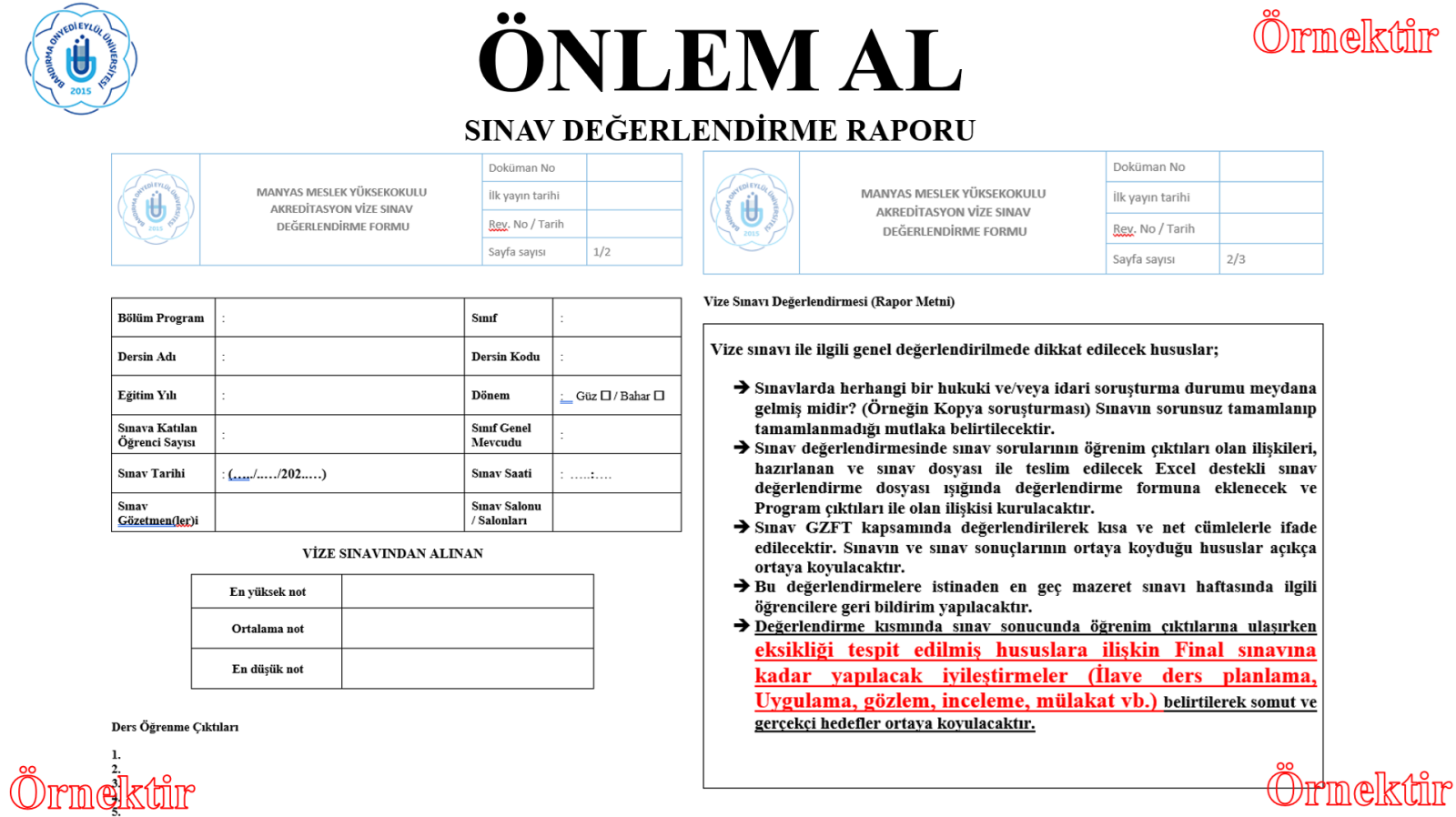
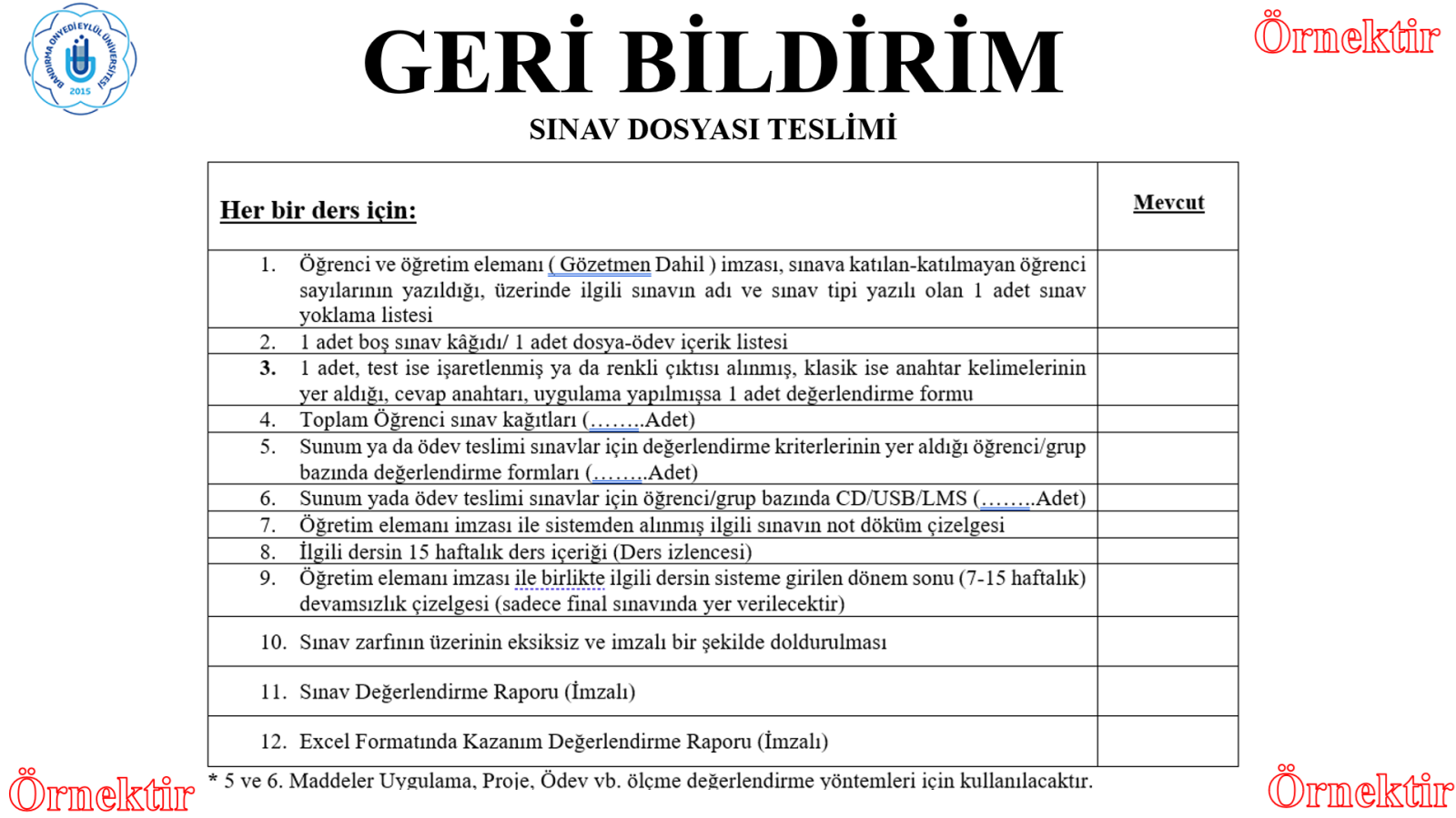
Exam Evaluation Process
Related Documents:
Guide for Exam Question Preparation and Exam Document Submission Process
Archiving Rules for Exam Documents
Exam Document Submission Protocol
PROCESS SUMMARY
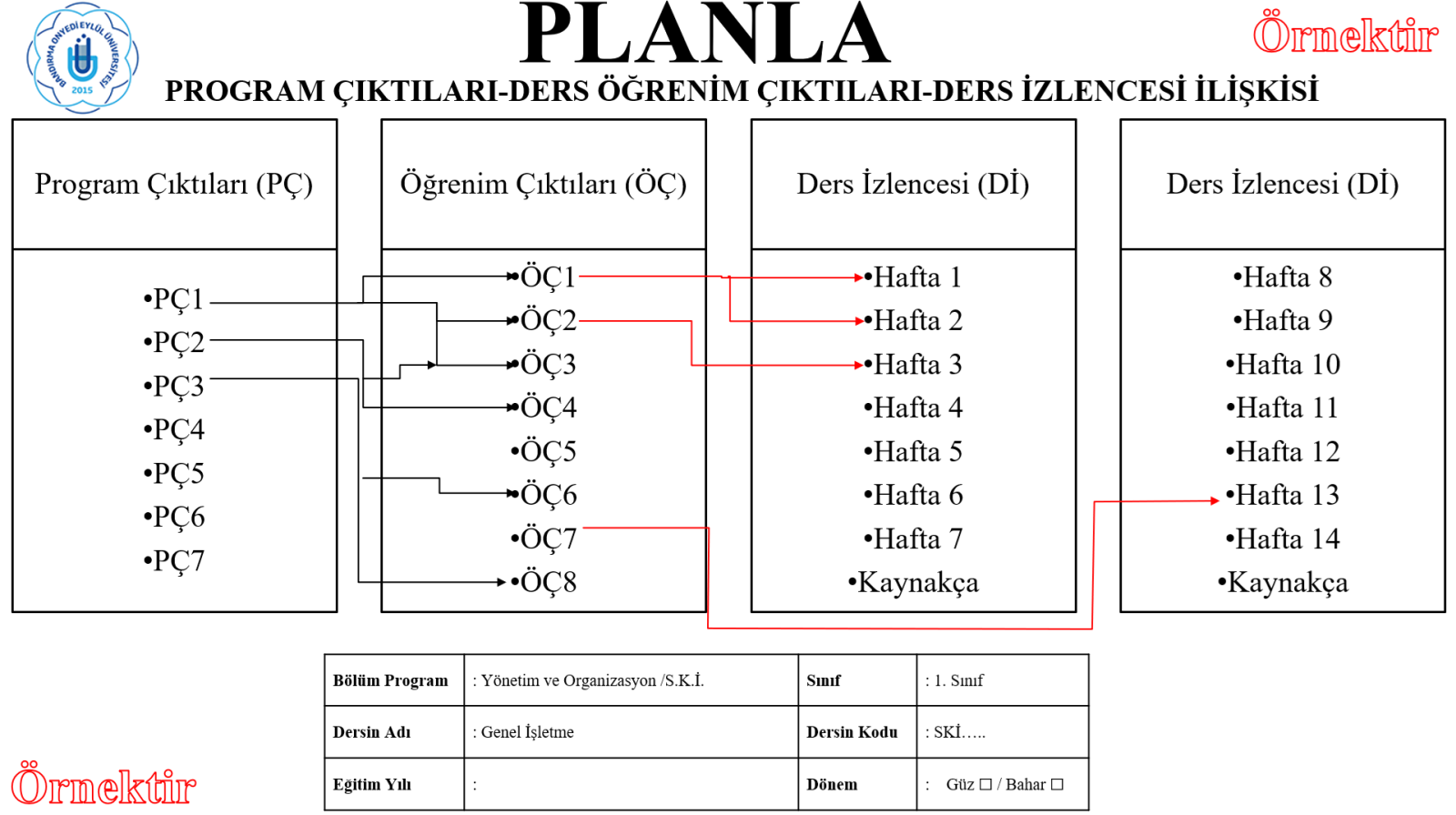 |
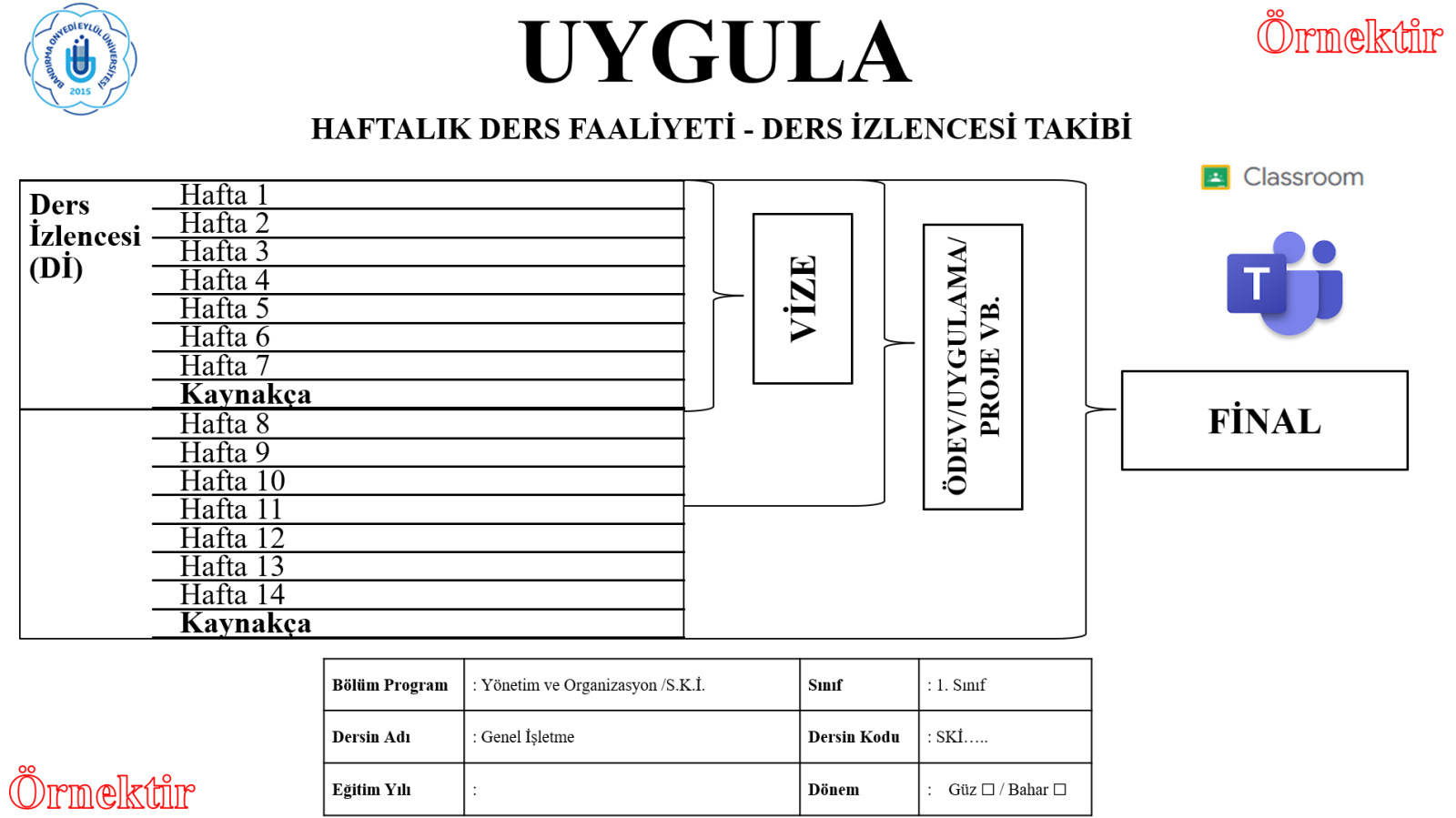 |
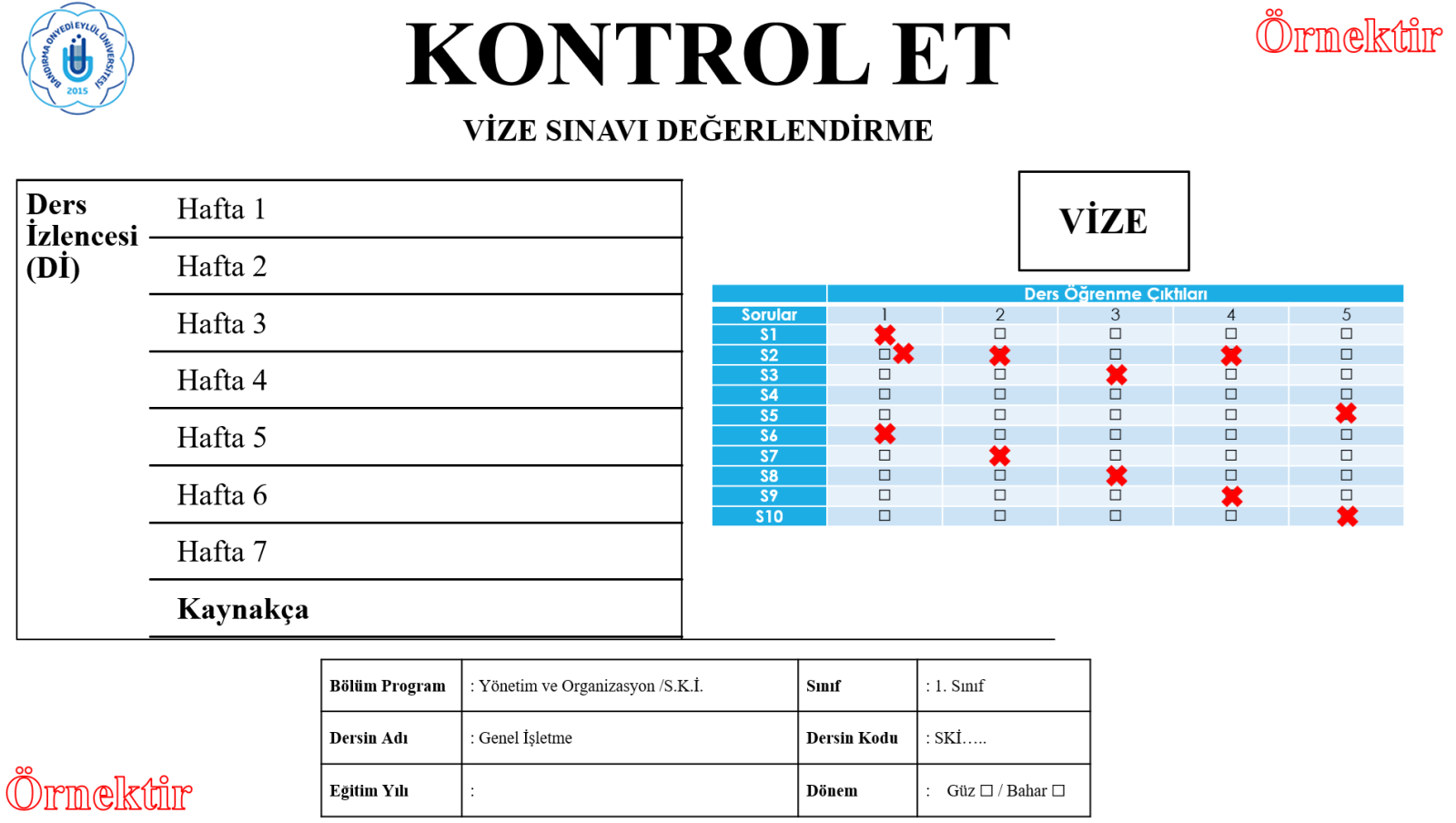 |
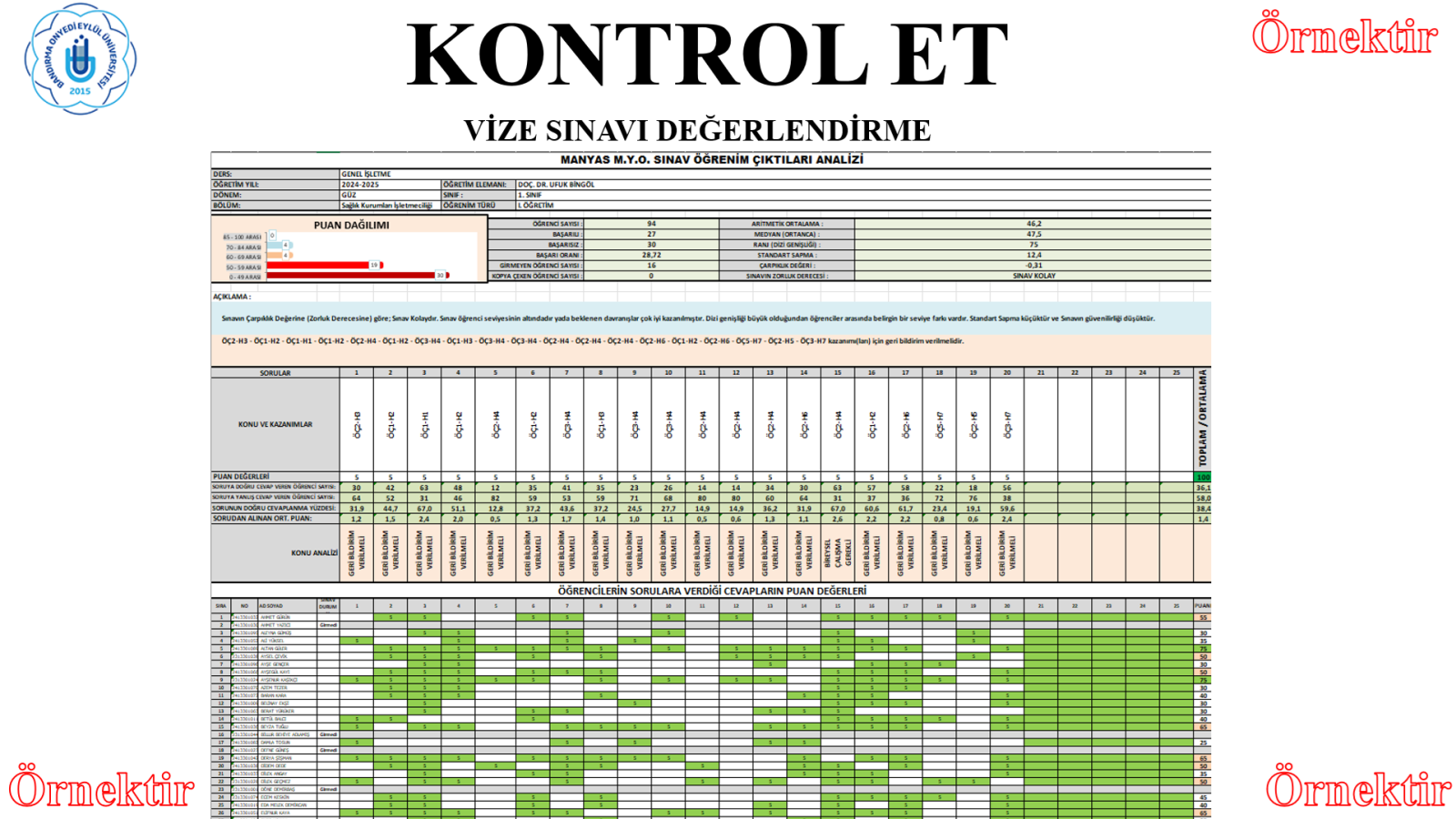 |
  |
Quality assurance-based workflow for adding, updating, and removing courses.
| Pillar | Description |
|---|---|
| Stakeholder Feedback | Needs analysis is conducted based on feedback from external stakeholders (employers, industry representatives), alumni, and students. |
| Legislation & Standards | Based on CoHE (YÖK), THEQC (YÖKAK), MEDEK criteria, NQF-HETR (TYÇ) compliance, and the Bologna Process. |
| Program Outcomes | Courses are structured to align directly with Program Outcomes (POs). |
| Strategic Vision | University/Directorate vision, digitalization, and future professions are taken into consideration. |
1. Needs Analysis: Industry analysis, alumni feedback, and external stakeholder requests are collected.
2. Academic Proposal: Department faculty members prepare the new draft course (course information package).
3. Program Alignment Check: The course’s alignment with Program Outcomes (POs) is verified.
4. Board Approval Process: Approvals are obtained through Department Board $\rightarrow$ Vocational School (MYO) Board $\rightarrow$ University Senate.
5. Quality & MEDEK Evaluation: Evaluated within the scope of continuous improvement (PDCA cycle).
6. Implementation: The course is added to the Bologna Information System and the course syllabus is published.
1. Performance Monitoring: Student success data and course satisfaction surveys are analyzed.
2. External Stakeholder Feedback: Shifting expectations of the business world are evaluated.
3. Academic Review: Faculty members revise the course content accordingly.
4. Technological Update: Emerging technologies and industry tools are integrated into the content.
5. Board Approval: Approved by the relevant Department and School Boards.
6. Implementation & Monitoring: The updated course re-enters the PDCA cycle.
1. Strategic Analysis: The course's actual contribution to the program outcomes is measured.
2. Low Demand: Student enrollment rates and industry needs are analyzed.
3. Outdated Content: The level to which the course content has lost its currency is evaluated.
4. Alternative Course Review: New course proposals to substitute the removed course are evaluated.
5. Board Decision: Removed by the decision of the Department Board and the University Senate.
6. Transition Plan: An adaptation plan is prepared to ensure students face no victimization or academic delay.
| Plan | Do | Check | Act |
|---|---|---|---|
| Stakeholder analysis + determining course needs | Implementation of new/updated courses | Measuring student success and satisfaction | Deciding on revision or removal |
A curriculum management model based on continuous improvement under the MEDEK - YÖKAK quality assurance system.